


 4 Min
4 Min In Clinical

Follow this topic

Bookmark

Record learning outcomes
Objectives
After reading this feature you should:
- Be familiar with the most common oral health problems encountered in pharmacy
- Be aware of the causes of oral health problems and how to avoid them
- Be able to offer appropriate treatments, information and advice
- Know when to refer the patient to their dentist or other healthcare professional.
The latest Adult Oral Health Survey (AOHS), published by the Office for Health Improvements and Disparities (OHID) in December last year, found that 41% of adults in England had tooth decay, up from 28% in 2009 and now similar to the 1998 levels.
Alarmingly, this percentage rose to 64% of adults when enamel damage was included in the researchers’ assessments. Almost one in five adults had a dental condition that could require urgent treatment, such as dental pain or deep decay, and 43% of adults said problems with their mouth affected their daily life.
Yet many adults said they struggled to find a dentist or couldn’t afford dental charges, or would only see a dentist when they had a dental problem. Little wonder then that community pharmacies are becoming an increasingly important source of oral care advice.
Oral hygiene
Many dental problems can be prevented with good oral hygiene. Brushing twice daily (morning and evening) with fluoride toothpaste helps remove plaque. Plaque is a mainly colourless, sticky coating on teeth that produces acids that damage tooth enamel and irritates gums.
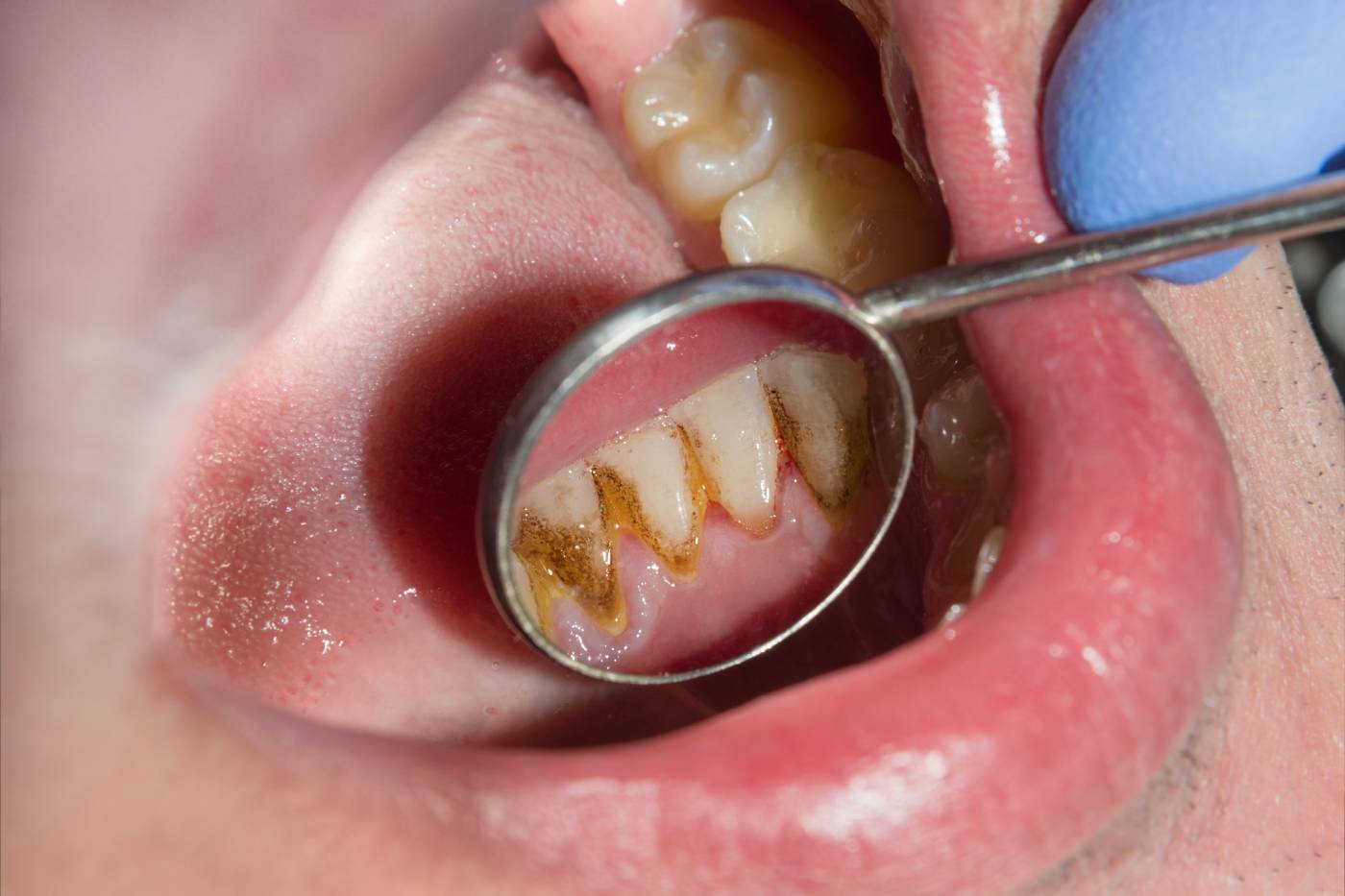
If it isn’t removed, it can harden into tartar, which stains the base of teeth brown or yellow. Regular appointments with a dental hygienist can help remove a build-up of plaque and tartar. Brushing technique is also important – adults should be advised to brush thoroughly for two minutes, covering every surface of every tooth, and toothbrushes should be replaced every two to three months.
The Oral Health Foundation advises adults to use a toothpaste containing between 1,350–1,500 ppm fluoride to protect against decay and strengthen tooth enamel. Adults should be advised to spit after brushing (rather than rinse) to ensure the fluoride remains in contact with their teeth. Floss or interdental brushes should also be used to clean between the teeth every day.
Toothache
Toothache can range from generalised aching to sharp, throbbing or persistent pain, depending on the cause. It’s often seen as a minor inconvenience, with people relying on painkillers.
Since toothache (and the underlying cause) rarely goes away on its own, pharmacy teams should refer patients to a dentist for a dental assessment. While patients are waiting for a dental appointment, they can take painkillers or use a pain-relieving gel for targeted pain relief.
In addition to this, cosmetic dentist Dr Manrina Rhode advises that. “Rinsing with warm salt water can help reduce infection, and avoiding very hot, cold or sweet foods may prevent pain from being exacerbated.”
Tooth decay (dental caries)
Tooth decay is caused by plaque acids, which break down the tooth’s hard outer enamel layer. This creates pockets of decay on the tooth’s surface, leading to the formation of a hole or cavity. Saliva can help to repair early decay by neutralising plaque acids and re-hardening tooth enamel.
“In children, tooth decay is most commonly caused by frequent consumption of sugary snacks and drinks, particularly between meals, combined with inadequate brushing,” says Dr Rhode. “In adults, decay is often linked to gum recession exposing vulnerable root surfaces, dry mouth from medications, and ongoing sugar intake. In both groups, poor oral hygiene and infrequent dental attendance significantly increases the risk.”
Early tooth decay doesn’t cause any symptoms, so most people are unaware of it, although a dentist may diagnose it from an X-ray. Over time, the decay spreads, reaching the dentine under the tooth enamel, and the tooth may become sensitive to hot, cold or sweet foods. Eventually, if the decay isn’t treated, it reaches the dental pulp in the centre of the tooth. This can lead to pain, an infection or even tooth loss.
The management of tooth decay depends on how advanced the decay is. In early tooth decay, a dentist may prescribe a fluoride toothpaste, mouthwash or varnish and fill any cavities. If the tooth is very badly damaged, root canal treatment or even tooth removal may be necessary.
Gum disease
Most people have some level of gingivitis (inflammation of the gums), but as the condition usually develops slowly and doesn’t cause any pain they may not be aware of it. The first sign may be bleeding gums when brushing teeth, flossing or eating hard or sharp foods. Gingivitis may also cause bad breath and an unpleasant taste in the mouth.
Gum disease is caused by a build-up of plaque and should be monitored regularly. Smokers are more likely to produce plaque, and their gums heal more slowly, which can exacerbate gum disease.
If gum disease isn’t treated, it can lead to periodontitis. This is when the inflammation spreads to the ligaments and bones that hold teeth in place. The gums shrink away from the teeth (gum recession), which causes sensitivity, and the teeth loosen and may eventually fall out.
Gum disease also has a wider impact on people’s general health. It has been linked with various non-dental health conditions, such as diabetes, stroke, cardiovascular disease, poor pregnancy outcomes and even dementia.
“Gingivitis is reversible with good oral hygiene and professional cleaning with a hygienist,” says Dr Rhode. “Once it progresses to periodontitis (bone loss in the mouth), the damage can’t be fully reversed, but it can be stabilised with proper treatment. Management includes thorough plaque removal, improved brushing and interdental cleaning (flossing), and regular professional care to prevent further bone and tooth loss.”
Mouth ulcers
Mouth ulcers are red or yellow painful sores (usually the size of a pencil-top). They can be caused by damage, such as biting the cheek, a sharp tooth, overvigorous brushing, or poorly fitting dentures. This type of ulcer usually heals on its own within 7 to 14 days once the cause has been removed, although large mouth ulcers may take longer to heal.
If mouth ulcers continually recur in otherwise healthy people, this is called recurrent aphthous stomatitis. This affects up to 25% of people in the UK with women and people under 40 most affected. The cause isn’t usually clear, although recurrent mouth ulcers can run in families and may be influenced by female hormones.
Pharmacy teams can recommend suitable over-the-counter mouth ulcer products. “Pharmacy products such as topical gels, sprays or protective pastes can help reduce pain and speed healing,” says Dr Rhode. “Antiseptic mouthwashes may also reduce the infection risk. If ulcers last longer than three weeks, recur frequently, or are unusually large or painful, patients should be referred for medical or dental assessment. A blood test may be required to check for vitamin deficiency.”
If a mouth ulcer hasn’t healed within three weeks it could be a sign of mouth cancer. Mouth cancer may first appear on the lips, salivary glands, tongue, gums, palate and inside of the cheeks. It can affect people of any age, but is more common in men than in women and in the over-60s. Smoking and heavy drinking are the main risk factors, followed by the Human Papilloma Virus (HPV) and poor diet. Early diagnosis and treatment are essential.
Oral thrush (oral candidiasis)
Oral thrush mainly affects babies and young children, older people and denture-wearers. The main symptoms are white or yellowish patches inside the mouth – when wiped away, the patches may leave red spots that often bleed. Mild oral thrush may be treated with over-the-counter miconazole gel, but more severe cases need oral antifungal treatments.
Manrina Rhode says that recurrent thrush should always be investigated for underlying health conditions. “Oral thrush in adults is commonly caused by weakened immunity, recent antibiotic use, poorly controlled diabetes, inhaled steroid use or dry mouth,” she says. “Preventative advice includes good oral hygiene, rinsing the mouth after using steroid inhalers, keeping dentures clean, and managing a dry mouth.”
Denture-related problems
Denture hygiene is important to reduce the risk of inflamed gums and bacterial and fungal infections (e.g. denture stomatitis). If people don’t have any natural teeth, they should still brush their gums and tongue with a soft toothbrush twice a day. They should also have regular dental check-ups.
Dentures should be brushed and soaked once a day in a dental-cleaning solution. Non-abrasive denture cleaners should be used instead of toothpaste. It’s particularly important to brush the surface that fits against the gums if someone is using a denture fixative.
Dentures should last for several years but need to be checked regularly by the dental team and replaced if necessary. Damaged or poorly fitting dentures may cause irritation and sores and make eating and talking more difficult. Dental teams can clean dentures to remove a build-up of stains or scale. Dentures shouldn’t be worn overnight (unless advised by a dentist), as this increases the risk of gum infections and tooth decay.
Dry mouth
A dry mouth (xerostomia) is usually due to a lack of saliva. It may be a response to dehydration, mouth-breathing, anxiety or an infection, but may also occur at the menopause or as people get older. Other common causes include certain medicines (such as antihistamines or tricyclic antidepressants), medical conditions such as diabetes, lupus or Sjogren’s syndrome, and medical treatments such as radiotherapy.
A dry mouth may be eased by simple measures that stimulate saliva production, but persistent cases need to be referred to a dentist or GP. “The most effective management of dry mouth includes frequent sips of water, sugar-free chewing gum or lozenges to stimulate saliva, and the use of saliva substitutes or sprays,” says Rhode. “Treating dry mouth is important because saliva protects teeth from decay and infection. Without it, patients are at much higher risk of cavities, gum disease, oral infections and difficulty eating or speaking.”
Sensitive teeth
Sensitivity can cause occasional mild aching to severe discomfort for several hours – and may be a warning sign of underlying dental problems. It occurs when the tooth enamel has thinned enough to expose the softer dentine underneath it. This may be due to brushing too hard (toothbrush abrasion), dental erosion, gum recession, gum disease, tooth grinding or a cracked tooth or filling.
Some people have sensitivity for a short while after tooth bleaching or dental treatment. Persistent sensitivity should be assessed by a dentist.
Sensitivity is often brought on by hot, cold, sweet or acidic food and drinks, or even breathing in cold air – these triggers should be avoided as much as possible. Warm, rather than cold water should be used when brushing teeth.
Sensitive toothpastes contain ingredients that block nerve signals and therefore pain, such as potassium citrate, potassium nitrate, or stannous fluoride. These may take a while to have a positive effect – rubbing them directly onto sensitive areas may provide more immediate relief.
If the sensitivity does not improve, a dentist may use desensitising products and protect teeth with fluoride gels, rinses, and varnishes. They may also seal or fill around the neck of the tooth (where the tooth and gum meet) to cover exposed dentine.
Bad breath (halitosis)
Bad breath is usually caused by a build-up of plaque bacteria and can be prevented and treated with regular oral hygiene and routine dental check-ups. Consuming strong-smelling food and drink, such as garlic, coffee, alcohol and spices, can worsen bad breath.
Antibacterial mouthwashes may keep the mouth clean and fresh. Chewing sugar-free gum can help saliva production. However, these are only temporary solutions or may mask a more serious underlying problem.
Persistent bad breath can be a warning sign of gum disease, tooth decay or a dental infection. It could also be due to a dry mouth, certain medicines or an underlying medical condition, such as a throat infection, acid reflux, sinusitis, bronchitis, diabetes or a liver or kidney problem.
Key facts
- 41% of adults in England have tooth decay – up from 28% in 2009
- Gum disease is extremely common and linked to wider health issues
- Left untreated, gingivitis can progress to periodontitis, which is associated with diabetes, cardiovascular disease, stroke, dementia, and poor pregnancy outcomes
- Persistent ulcers require urgent referral, as they can be an early sign of oral cancer
- Recurrent oral thrush should always be investigated for underlying health conditions
- Dry mouth significantly increases the risk of dental problems
- Persistent bad breath can be a warning sign of gum disease, tooth decay or a dental infection

Share:


In Clinical